
A well-organised pantry doesn’t just look beautiful—it makes everyday life easier. Whether you’re cooking dinner in a hurry, prepping school lunches, or trying to grocery shop more efficiently, an orderly pantry can make a world of difference. Yet many of us struggle with cramped shelves, mismatched containers, and food items getting lost in the back until they expire.
The good news? Creating a tidy, space-saving pantry is entirely achievable, no matter your pantry size. With good planning, clever storage solutions, and a few simple habits, you can transform even the smallest pantry into a functional and aesthetically satisfying space.
In this post, we’ll explore practical, space-saving ideas that help maximise your pantry storage, reduce clutter, and create that visually pleasing, “ahh-that-feels-good” organisation you’ll love opening every day.
1. Start by Decluttering and Categorising
Before you add any storage bins or fancy containers, start with a clean slate. Empty your pantry completely and sort items into categories.
Decluttering steps:
- Toss expired or stale food.
- Donate unopened items you won’t use.
- Remove packaging that takes up unnecessary space.
Once everything is out, group similar items together: baking goods, canned foods, snacks, grains, pasta, oils, spices, breakfast items, and so on. This step gives you clarity about what you truly need to store—and what deserves the most accessible spots.
Visual satisfaction begins with simplicity. A decluttered pantry is more calming, more functional, and much easier to optimise.
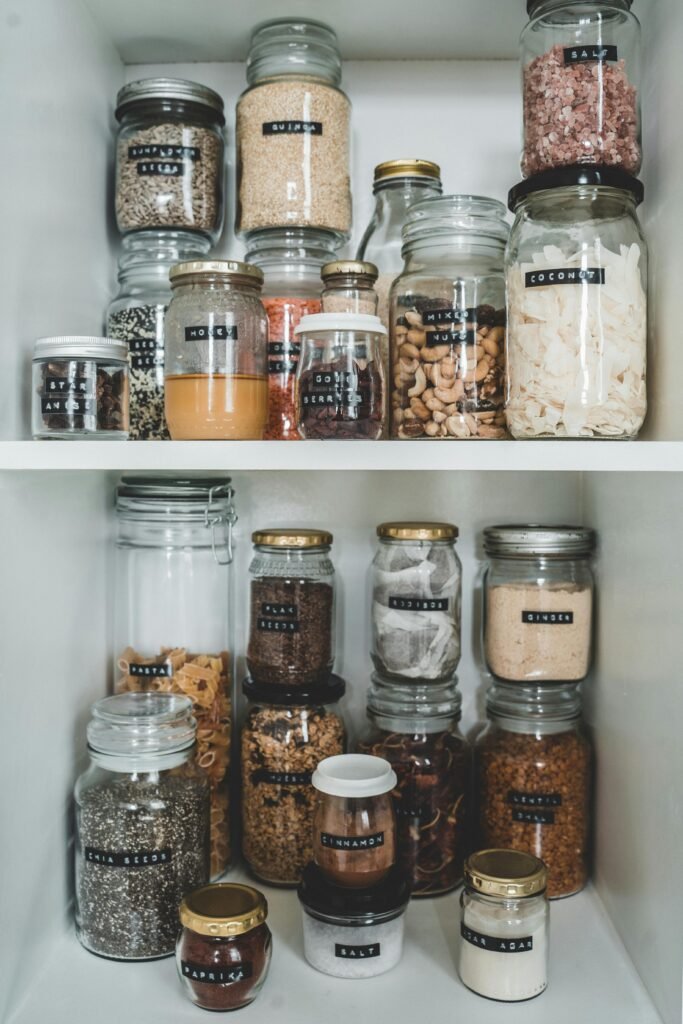
2. Use Clear Containers to Maximise Space and Visibility
Clear containers are one of the best investments you can make for your pantry. They not only save space but also give your pantry that clean, uniform look you see in magazines or organisational shows.
Benefits of clear containers:
- They stack neatly.
- They let you see when supplies are running low.
- They eliminate bulky packaging.
- They create a consistent, minimalist aesthetic.
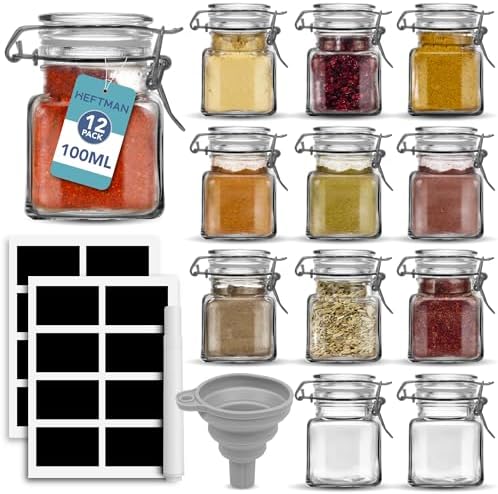
Use airtight containers for flours, cereals, pasta, rice, and snacks. Consider tall, narrow designs to save shelf space and maximise vertical height. Always label your containers—this not only helps with identification but makes it easier for everyone in the household to stay organised.
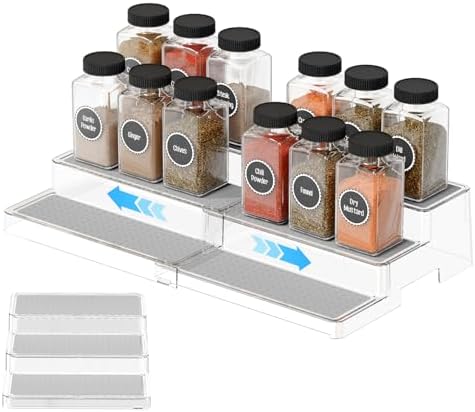
3. Incorporate Tiered Shelves and Risers
One of the biggest frustrations in disorganised pantries is losing items behind other items. Tiered shelves fix this problem instantly.
Use tiered risers for:
- Canned foods
- Spices
- Jars
- Condiments
These shelves elevate items in the back so you can see everything at a glance. No more digging or accidentally buying duplicates because you didn’t realise you already had two cans of tomatoes.
Tiered storage helps you use your shelf depth strategically while keeping everything visible and tidy.
4. Add Lazy Susans for Hard-to-Reach Corners
Lazy Susans (turntables) are incredibly useful for awkward spaces, such as deep shelves or corner areas. They allow you to spin items into view effortlessly.
Use Lazy Susans for:
- Oils and vinegars
- Sauces and condiments
- Baking supplies
- Snacks
- Jars
Choose divided Lazy Susans for categories that tend to get mixed up or messy. This simple addition instantly increases accessibility and makes your pantry more satisfying to use.
5. Install Door Storage for Extra Space
If your pantry has a door, you have valuable storage space that’s often overlooked. Over-the-door organisers can hold a surprising number of items and help declutter your shelves.
Ideal items for door storage:
- Spices
- Small jars
- Packets
- Foils, wraps, and baking paper
- Snacks
- Vitamins and supplements
Choose a sturdy, adjustable rack so you can customise the shelf heights based on what you store.

6. Use Bins and Baskets to Create Order
Bins and baskets are perfect for grouping items while giving your pantry a cohesive and satisfying look. They work especially well for loose or oddly shaped foods that don’t stack easily.
Recommended categories for bins:
- Snack packs
- Chips and crisps
- Baking ingredients
- Breakfast items
- Fresh produce like potatoes or onions
- Kids’ lunch items
Opt for bins that slide out so you can see what’s inside without digging. A set of matching baskets instantly elevates your pantry’s appearance and makes the organisation feel intentional.
7. Label Everything for Easy Maintenance
Labelling is one of the simplest but most effective space-savvy tools. When everything has a designated place, items don’t get misplaced or piled up randomly.
Types of labels to consider:
- Vinyl or decal labels for containers
- Chalkboard labels for flexible categories
- Clip-on labels for baskets
- Printed labels for a clean, uniform look
Labels ensure your pantry stays organised long after the initial setup. They also make it easier for family members to put items back where they belong, keeping your system intact.
8. Use Vertical and Under-Shelf Storage
Most pantries have unused vertical space. Using tools that maximise height helps you store more without making the space feel crowded.
Ideas for vertical optimisation:
- Under-shelf hanging baskets
- Shelf dividers
- Tall containers
- Hook-on racks for lightweight items
- Magnetic strips for small metal containers
These additions help transform “dead space” into functional storage and keep the pantry looking crisp and efficient.
9. Create Zones for Different Types of Food
Zoning is one of the secrets to a well-organised pantry. It helps you maintain order and prevents categories from mixing or becoming messy over time.
Popular zones include:
- Breakfast
- Snacks
- Baking
- Canned goods
- Grains and pasta
- Spices
- Drinks
- Miscellaneous
Place the most frequently accessed items (like snacks or breakfast essentials) at eye level and reserve higher or lower shelves for bulk or rarely used items. A zone-based pantry always feels put-together and reduces decision-making during meal prep.
10. Create a “Backstock” Section
If you buy in bulk or like keeping extras on hand, designate one specific area for backstock items. This prevents overflow on everyday shelves and keeps your pantry calm and clutter-free.
Use backstock storage for:
- Duplicate items
- Larger packages
- Seasonal foods
- Party snacks
- Baking supplies
Keep backstock items clearly labelled and separate so you always know what needs replenishing and what you already have.
11. Keep a Small Inventory or Checklist
A pantry inventory may sound like an extra step, but it saves time, money, and space. Whether it’s a whiteboard on the door or a simple notepad, keeping track of pantry staples helps you avoid overbuying.
Include items such as:
- Rice and pasta
- Beans
- Flour and sugar
- Snacks
- Oils and spices
This system keeps your pantry streamlined and prevents cramming in unnecessary extras.
Final Thoughts
Creating satisfying, space-saving ideas for your pantry is not just about aesthetics—it’s about building a functional, calm, and efficient kitchen environment. With clear containers, smart storage solutions, labelled bins, and thoughtful zone planning, even the smallest pantry can feel spacious and organised.
Start with decluttering, invest in a few versatile storage tools, and create a simple system you can maintain. With the right setup, your pantry can