
Meal Prep Starts With a Tidy Fridge
If your fridge often looks like a jumble of half-used ingredients, forgotten leftovers, and mystery containers you’re too scared to open, you’re definitely not alone. The family fridge is one of the hardest-working (and most frequently used) areas of the home, but it’s also one of the quickest to fall into chaos. When things aren’t easy to see or reach, food gets wasted, meal prep becomes stressful, and shopping lists become guesswork.
The good news? You don’t need an Instagram-perfect fridge or expensive organisational systems to make a big difference. With a few simple storage solutions and smart habits, you can transform your fridge into a clear, functional, easy-to-maintain space that supports your weekly meals—not sabotages them.
Here’s how to organise your fridge so it works for you, reduces stress, and makes planning and shopping much easier.
1. Start With a Clean Slate
Before you even think about organising, give your fridge a reset. This helps you see what space you actually have and prevents old clutter from creeping back in.
Start by:
- removing everything from inside the fridge
- checking expiry dates
- throwing out spoiled or forgotten food
- wiping shelves and drawers
- giving drawers a rinse and dry
Not only does this create a clean foundation, but it also gives you clarity on what your family actually uses versus what goes to waste.
2. Group Food Into Simple, Logical Categories
One of the biggest mistakes people make is placing food randomly wherever it fits. This leads to forgotten produce, duplicate purchases, and lots of frustration.
Instead, organise by category. Some easy, family-friendly groups include:
- Dairy (cheese, yoghurt, butter)
- Meat + fish (raw products should go on the lowest shelf)
- Condiments + sauces
- Leftovers
- Sandwich ingredients (ham, cheese, spreads)
- Fruit
- Vegetables
- Snacks
- Breakfast foods (milk, yoghurt pots, berries)
- Kids’ lunchbox items
By keeping like items together, you instantly make the fridge easier to navigate—and much easier to tidy.
3. Use Clear Containers to Create Visible Zones
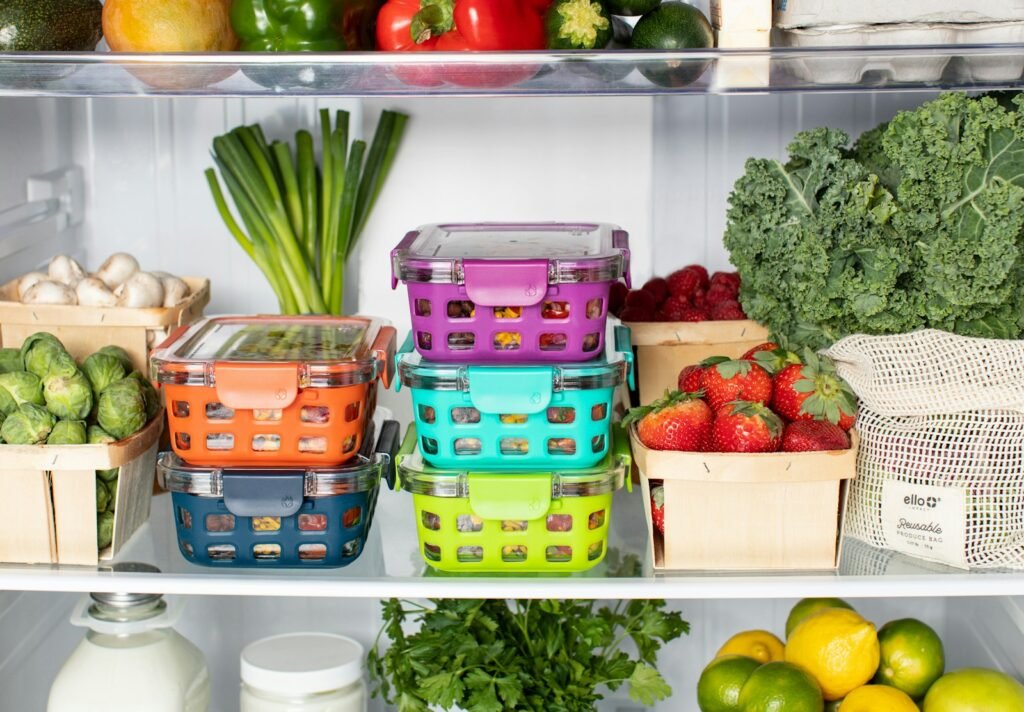
Clear storage containers are the secret to an organised fridge. They prevent food from shifting around, make it easy to see exactly what you have, and encourage the family to put things back where they belong.
Try using containers for:
- berries and snack-ready fruit
- yoghurt tubes or pots
- cheese sticks or lunchbox items
- sandwich ingredients
- ready-to-cook meal prep
- “use me first” food that’s nearing expiry
- loose sauces and jars
Clear containers make everything visible, which helps reduce food waste and stops you buying duplicates during your weekly shop.
4. Use a Lazy Susan for Small Jars & Bottles
Sauces, condiments, and small jars can easily get pushed to the back of the fridge, only to be rediscovered months past their use-by date. A Lazy Susan (a rotating turntable) solves this instantly.
Perfect for:
- jams and spreads
- small jars
- dressings
- dips
- condiments families use daily
A quick spin lets you find what you need without rummaging.


5. Add Fridge Bins for “Grab-and-Go” Items
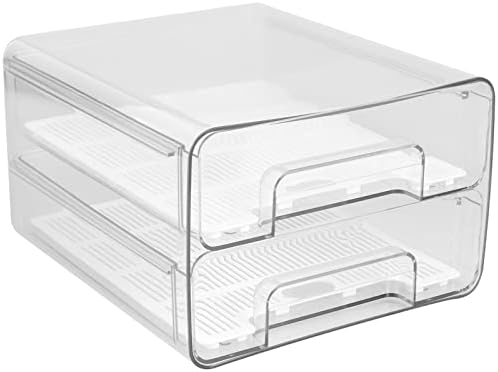
Most families have items they reach for constantly—snacks, lunch ingredients, yoghurts, drinks. Creating grab-and-go bins makes life easier for everyone.
Try:
- a kids’ snack bin filled with healthy options
- a packed-lunch bin for cheese, ham, wraps, fruit cups
- a breakfast bin for quick mornings
- a smoothie or juice bin
These small tweaks streamline mornings and help children become more independent.
6. Make the Most of the Fridge Door (But Use It Wisely)
The fridge door is the warmest part of the fridge, so it should only hold items that are less sensitive to temperature changes.
Good for:
- condiments
- sauces
- juice
- jams
- butter
- water bottles
Not good for:
- milk
- eggs
- yoghurt
- raw meat
By storing items correctly, you not only stay organised but also keep food fresher for longer.
7. Create a Dedicated Leftovers Shelf
Leftovers often sit forgotten because they’re hidden or mixed in with other items. Solve this by creating a leftovers-only shelf or section. Use stackable containers with clear lids so you always see what needs to be eaten.
Add labels like:
- “Eat Me First”
- “Leftovers”
- “Need to Use Soon”
This habit alone can drastically cut food waste and make meal prep easy on busy evenings.
8. Keep Produce Fresh With Proper Storage
Produce drawers can quickly become messy, muddy, or forgotten. Using small produce bins helps keep items separate and organised.
Try:
- breathable containers for berries
- clear trays for loose veg
- paper towels in drawers to absorb moisture
- labelling each drawer by category
Store fruit and vegetables separately to stop gases from ripening foods too fast.
9. Label Everything for Family-Friendly Organisation
Labels help your fridge stay organised long after you tidy it. They also make it easier for children (and partners!) to find and return items to the correct spot.
Useful labels include:
- “Dairy”
- “Snacks”
- “Leftovers”
- “Veg”
- “Fruit”
- “Lunchbox Items”
- “Kids’ Snacks”
- “Breakfast”
A label maker works beautifully, but simple wipeable stickers work just as well.
10. Use Shelf Risers for Small or Short Items
If you struggle with wasted vertical space, shelf risers create an additional layer and make small items easier to see.
Perfect for:
- small yoghurts
- dips
- cheese blocks
- cut fruit
Shelf risers are inexpensive but instantly increase fridge functionality.
11. Prep Food in Advance to Reduce Stress Later
Food preparation doesn’t have to be elaborate. Even small habits help, like:
- washing berries and storing them in breathable containers
- cutting carrots and cucumbers for snacks
- grouping ingredients for tomorrow’s dinner
- prepping a salad base
- storing leftovers in ready-to-heat containers
Prepped food makes meal times easier, quicker, and less stressful.
12. Use Your Newly Organised Fridge for Easier Shopping Lists
One of the biggest benefits of an organised fridge is how much simpler shopping lists become. When everything is visible and clearly grouped, you can see at a glance what you’re running low on.
Try:
- using a magnetic whiteboard on the fridge door
- adding items to a digital list each time a container empties
- reviewing your zones before you shop
- keeping track of expiry dates in a “use first” bin
A tidy fridge makes planning meals and writing shopping lists straightforward and accurate.
Final Thoughts
Organising your fridge doesn’t have to be complicated or expensive. With clear containers, simple zones, labels, and a few thoughtful habits, you can create a fridge that supports your lifestyle rather than adding stress to it.
A well-organised fridge helps you:
- prepare meals quickly
- reduce food waste
- find ingredients easily
- simplify your shopping routine
- feel calmer and more productive in the kitchen
A little organisation goes a long way—and once you experience the ease of a tidy, functional fridge, you’ll wonder how you ever lived without it.